
In the previous article, we discussed Japan’s groundbreaking “tooth regeneration drug” technology. After reading it, many readers had only one question on their mind: “How much will this thing cost?”
This article won’t delve into complex scientific principles; let’s talk about money directly.
As the only country in the world that has brought tooth regeneration to the clinical stage, Japan’s pricing will set the standard for global prices in the future. We’ve compiled the estimated costs of the “tooth-growing drug” expected to be launched in 2030, as well as the actual fees for “pulp regeneration” treatments already being provided in Japanese clinics. These prices may surprise you.
I. The ultimate cutting-edge technology: Estimated price of the “tooth-growing drug” (launch in 2030)
Based on publicly available information from the developer Toregem Biopharma and reports in Japanese media, the initial pricing strategy for this antibody drug that can help humans grow a third set of teeth has been revealed.
1. Estimated price: 1.5 million yen per tooth
- Converting to Hong Kong dollars: Approximately HK$75,000 – 80,000
- Converting to New Taiwan dollars: Approximately NT$300,000 – 320,000 (Note: The exchange rate is estimated based on the average of 2024–2025; actual prices may vary due to healthcare policies after the product is launched)
2. Why is it so expensive?
Many people ask, “Isn’t it just getting an injection?” In fact, these 1.5 million yen do not cover just one dose of medication but also include the following:
- Cost of patented biologics: The research and production costs for antibody drugs are extremely high, similar to those for cancer-targeted therapies.
- Additional treatments: The newly grown teeth may not align properly and usually require orthodontic treatment, which is often included in the overall treatment cost.
3. Will the price decrease in the future?
Yes. Just like when dental implants first became available, they were initially very expensive.
- First phase (starting in 2030): This phase targets patients with congenital tooth deficiencies. The cost is high, but it is mainly covered by Japanese health insurance or commercial insurance.
- Second phase (after 2035): As the technology matures and becomes more widely available for the general public (e.g., for cavities and missing teeth), prices are expected to drop to around the same level as “high-end dental implants” (about 500,000–800,000 yen).
II. What can be done now: The real cost of “pulp regeneration”
Don’t think that regenerative medicine has to wait until 2030. In Japan, stem cell therapy for “dead teeth” (nerve necrosis) is already legally available.
Don’t want your teeth to turn black and become brittle after root canal treatment? This technology can bring them back to life. Here are the average fees at top clinics in Tokyo and Osaka, Japan:
| Treatment Option | Applicable Teeth | Average Cost (Japanese Yen) | Equivalent in Hong Kong Dollars (approx.) | Equivalent in Taiwan Dollars (approx.) |
| Front Teeth (Incisors/Canines) | Single Root Canal | ¥600,000 – ¥900,000 | HK$ 30,000 – 45,000 | NT$ 130,000 – 190,000 |
| Premolars | 1-2 nerve canals | ¥800,000 – ¥1,100,000 | HK$ 40,000 – 55,000 | NT$ 170,000 – 230,000 |
| Molars (back teeth) | 3-4 nerve canals | ¥1,000,000 – ¥1,300,000 | HK$ 50,000 – 65,000 | NT$ 210,000 to 270,000 |
⚠️ Hidden costs reminder:
The fees mentioned above usu
ally only cover the “surgical cost.” When undergoing this treatment in Japan, you may also need to pay for the following “hidden” costs:
- e revolutionized medical research. These cells can be transformed into various types of adult cells, including those used in dental regeneration.
⚠️ Hidden costs reminder:
The fees mentioned above usually only cover the “surgical cost.” When undergoing this treatment in
- Japan, you may also need to pay for the following “hidden” costs:
- ately ¥100,000 to ¥150,000. This covers the laboratory costs for thawing and culturing the cells until they reach the required quantity.
**Microscope-assisted root canal cleaning fee:** Thorough debridement is necessary before the procedure, and this fee is sometimes listed separately.
In summary, if you want to save a molar, the minimum budget for a full set of pulp regeneration treatments in Japan is HK$ 70,000 (NT$ 300,000).
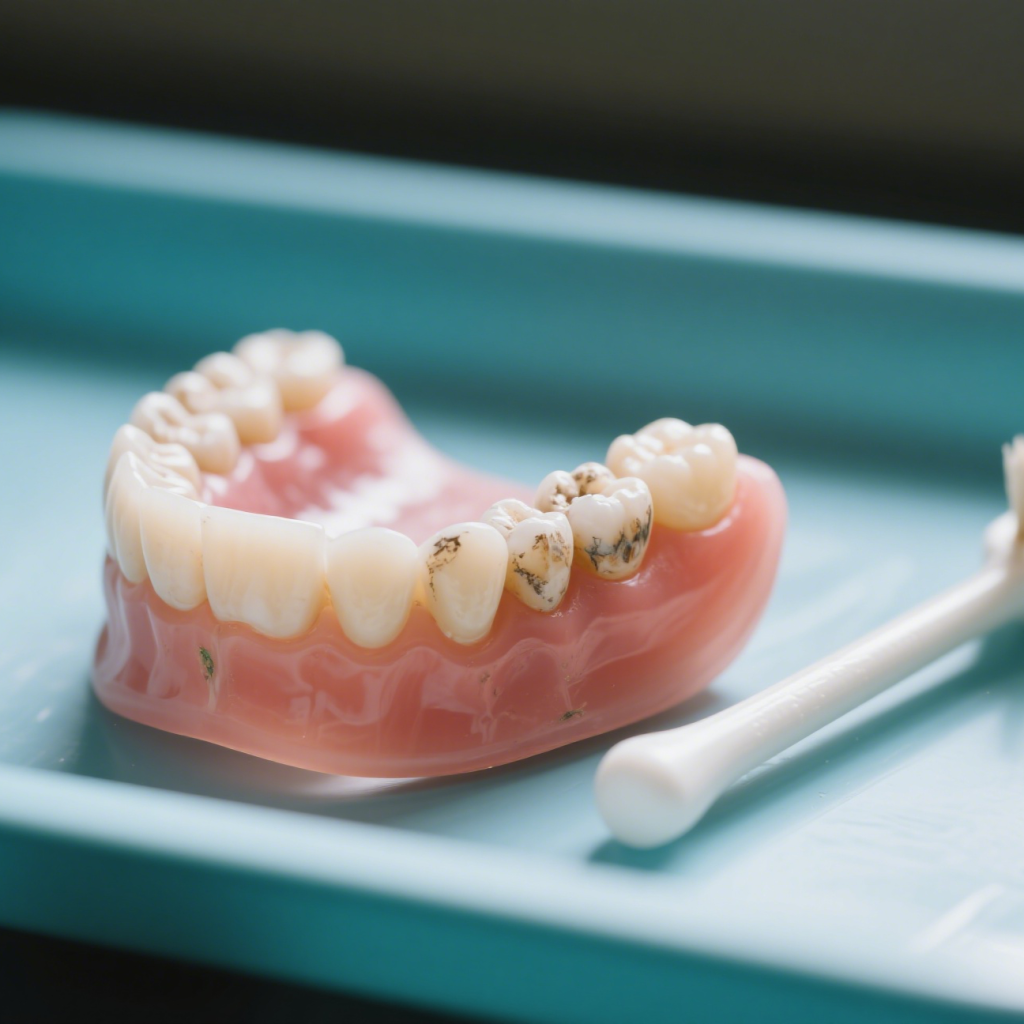
III. A brutal comparison: Tooth regeneration vs. Dental implants vs. Dental prostheses
To help you better understand the impact of these prices, we have compared the three options available in the Japanese market:
| Comparison items | 1. Traditional removable dentures | 2. High-quality dental implants | 3. Tooth regeneration therapy (future/current) |
| Unit price (Japanese yen) | ¥10,000 – ¥50,000 (with health insurance) | ¥300,000 – ¥500,000 | ¥1,000,000 – ¥1,500,000 |
| Converted into Taiwanese dollars | NT$2,000 – NT$10,000 | NT$60,000 – NT$100,000 | NT$200,000 – NT$300,000 |
| Function restoration | 30% – 50% | 90% – 95% | 100% (natural teeth) |
| Service life | 3 – 5 years | 20 years – lifetime | Lifetime |
| Value-for-money evaluation | Inexpensive but not very useful | The current gold standard | The choice of the wealthy / those who pursue excellence |
IV. Perspective: Is this investment worth it?
If your budget is 300,000 Taiwanese dollars (about 75,000 Hong Kong dollars), would you choose to get three top-quality Swiss implants, or take a chance on “regenerated natural teeth”?
1. For patients with “missing teeth” (relevant to tooth growth medications)
Conclusion: It’s not cost-effective at present, but the future holds promise.
With a budget of 1.5 million yen at this stage, it is enough to cover half of the treatment for a “full-mouth reconstruction” in Japan or Taiwan, or to get the highest-quality Straumann implants along with all-ceramic crowns. Unless you are a person with congenital anodontia, current dental implant technology offers excellent value for money. However, if the price drops to 500,000 yen in 10 years, regenerated teeth would definitely be the first choice.
2. For patients with “dead teeth” (relevant to pulp regeneration)
Conclusion: For younger people, this investment is worth it.
If the nerve in your front tooth dies and traditional root canal treatment is done, the tooth will change color and may eventually crack and need to be extracted. Spending 200,000 Taiwanese dollars to save the nerve of this tooth, allowing it to sense hot and cold, repair itself, and maintain its natural color, is a “value-preserving” health investment for people aged 20 to 40 who care about both appearance and health.
V. Recommendations for those considering treatment in Japan
If you are really considering flying to Japan for pulp regeneration treatment, please pay close attention to the following three points:
- Language barriers: These high-end private clinics typically do not accept foreigners who cannot communicate in the local language. You will need to find a clinic that provides “medical translation” services or bring your own professional medical translator.
- Follow-up costs: Regenerative treatments are not a one-time procedure. Typically, it involves an initial visit for cell collection, followed by several weeks of cell cultivation, a follow-up visit for implantation, and post-treatment observation (3–6 months). Please include the costs of airfare and accommodation in your calculations.
- Insurance coverage: Most overseas travel insurance policies or local commercial insurances do not cover such experimental or high-end medical treatments.