
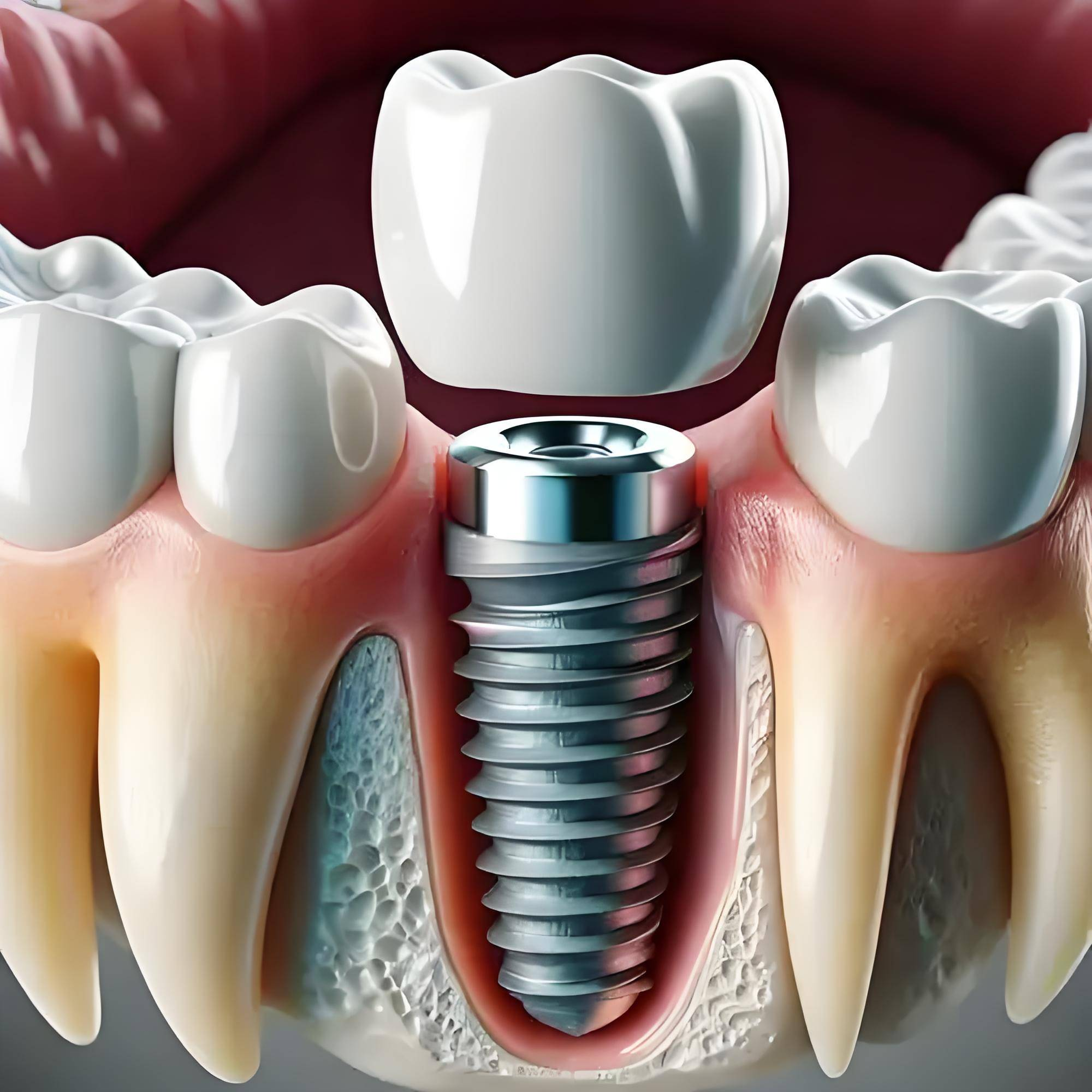
In dental clinics across Hong Kong, Macau, and Taiwan, you’ll notice a clear trend: ten years ago, doctors often recommended “luxury brands” from Switzerland or Sweden; today, Korean dental implant brands have taken up a significant share of the market.
Many patients find themselves struggling when faced with quotes: “Is Korean-quality just cheaper? Is its durability really inferior to European products?”
This article will go beyond traditional “brand rankings” and reveal the truth behind the high cost-performance ratio of Korean dental implant brands, by examining the technical fundamentals, the skeletal characteristics of Asians, and clinical data. This is a guide for making decisions that consider more than just price—also “survival rate”.
I. Key Point: Why Have Korean Brands Achieved Such Rapid Success?
Many people mistakenly think that Korean brands succeed solely through price competition, but that’s only half the story. The reason Korean dental implants have become so popular worldwide in just 20 years lies in their “adaptations to Asian physiology” and their comprehensive doctor training programs.
1. “Offensive and defensive” designs tailored for Asians
Europeans and Americans generally have wider jaws and looser bone structure, while Asians (especially those from East Asia) tend to have narrower alveolar bones with higher bone density.
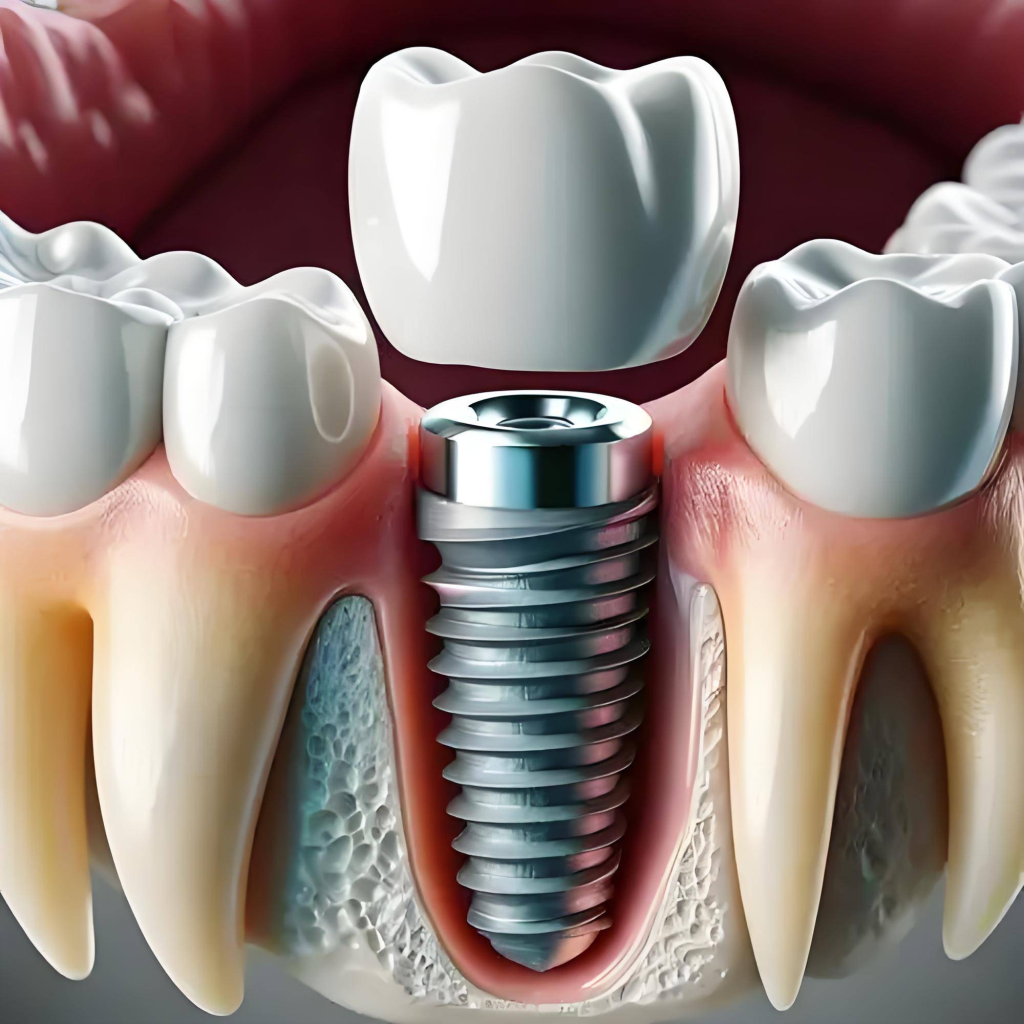
- Technical Innovations: Early on, Korean brands like Osstem heavily relied on European and American technologies—especially Straumann’s SLA surface treatment method—but later developed shorter, thinner implants with deeper threads to better accommodate the thinner gums and narrower bone structures of Asians. This significantly increased the success rate of implant procedures even in cases of low bone density.
2. The victory of the “Android” approach
If Swiss Straumann is compared to the iPhone in the dental implant industry (expensive, sophisticated, and highly advanced), then Korean brands are like Androids (open, offer multiple options, and have strong compatibility).
Korean giants don’t just sell products; they also provide “education.” They have established large training centers in Taiwan and Hong Kong to teach dentists how to use their systems. When your dentist is 100% proficient in using a particular system, the success rate of the procedures is often higher than when using a more advanced European brand that they are not familiar with.
II. Which is the best choice for you?
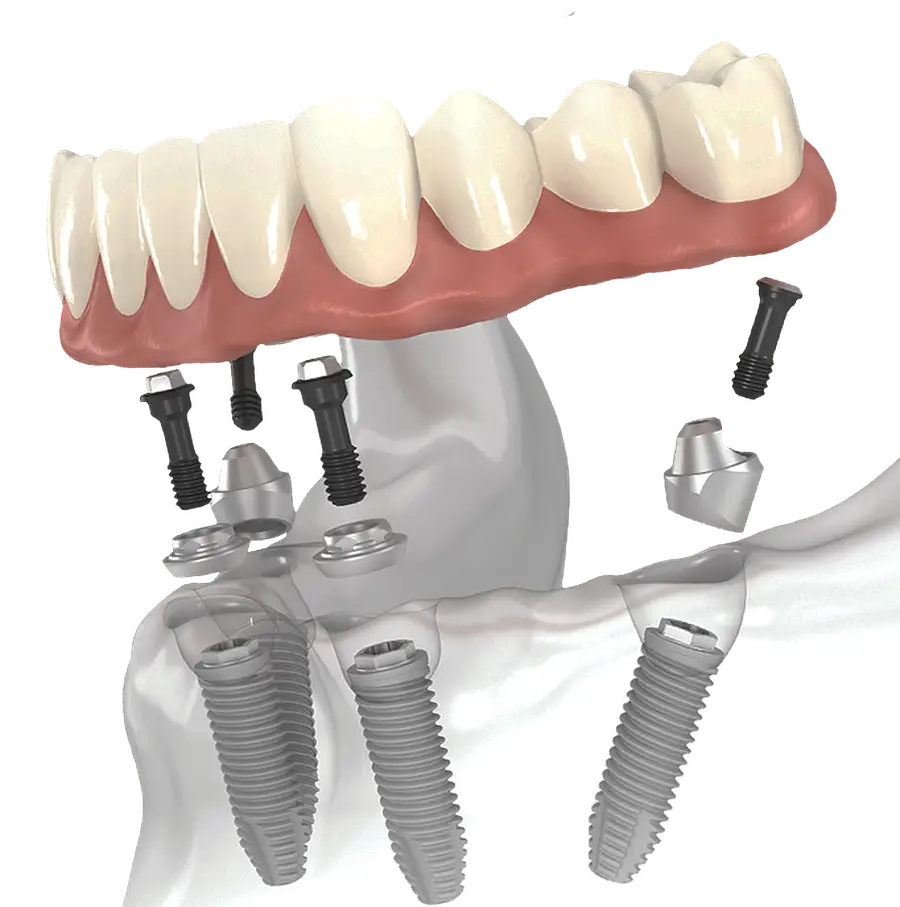
There are numerous Korean brands, but those that are truly reliable and have extensive clinical data are mainly the following leading companies. We have categorized them to help you make an informed decision.
1. The king among Korean brands: Osstem
- Market position: Number one in Korea and among the top five globally. It holds a significant market share in Taiwan and Hong Kong and is often referred to as the “Toyota of the dental implant industry.”
- Key advantages:
–
- **Extensive clinical data:** Possesses the largest clinical database in Asia. The products have undergone numerous iterations, ensuring high stabilit
- y.
– **Universality:** Almost all dentists are familiar with using these products, and maintenance and parts replacement are very convenient (no need to worry about finding spare parts after your clinic closes).
- Suitable for: Patients who prefer reliability, are unwilling to take risks, and have a moderate budget.
2. Value for money: Dentium
- Market Position: Second in South Korea, often considered a representative of high CP value.
- Key Advantages:
S
- .L.A. Surface Treatment: Their surface treatment technology is highly advanced, allowing for rapid osseointegration (the fusion of the implant wit
- h bone).
Good Initial St
ability: The unique screw design enables it to achieve good bite force immediately after implantation, making it very suitable for “immediate implant placement” surgeries.
- Disadvantages: It requires a higher level of technical skill from the dentist; inaccurate implantation angles may affect long-term stability.
- Target Patients: Patients with limited budgets who wish to complete treatment as soon as possible, such as those undergoing full-mouth reconstruction.
3. Technological Innovator: MegaGen
- Market Position: A South Korean brand that is more well-known in European and American markets than in Asia.
- Key Advant
- ages:
AnyRidge Patent: T
his is their trump card. The unique blade-like screw design allows it to penetrate bone even in cases of poor bo - ne quality, such as osteoporosis, and provides excellent grip.
- ages:
- Target Patients: Patients with poor bone conditions, those who face difficulties with bone grafting, or those with extremely high aesthetic requirements for their front teeth.
4. Digital Pioneer: DIO
- Market Position: Specializes in “digital-guided implant surgery.”
- Core Advantages: This brand specializes in minimally invasive procedures that do not require gum incisions. Their implant designs work exceptionally well with digital guides, significantly reducing surgery time and pain.
- Target Audience: Elderly individuals who are afraid of pain, surgery, or have slower healing abilities.
III. Super Comparison: Korea vs Europe/America vs Taiwan/Other Regions
For clarity, we have prepared this comparison table based on the average market conditions in Hong Kong and Taiwan:
| Comparison Items | Korean Brands (Osstem/Dentium) | European/American Brands (Straumann/Nobel) | Taiwan/Other Emerging Brands |
| Price Range | ⭐⭐⭐ (Affordable, approximately 60-70% of European/American prices) | ⭐⭐⭐⭐⭐ (Expensive, so-called luxury class) | ⭐⭐ (Cheapest) |
| Clinical history | Approximately 20-25 years | More than 40-50 years | 10-15 years |
| Osseointegration speed | Fast (4-8 weeks) | Extremely fast (3-6 weeks, patented hydrophilic surface) | Moderate |
| Indications | Covers 90% of general and complex cases | Covers 100% (including extremely difficult cases) | Suitable for general, simple cases |
| Doctor proficiency | Very high (well-established training system) | High (preferred by experienced doctors) | Average |
| Recommendation index | Preferred option (highest cost-performance ratio) | The first choice for patients with sufficient budgets or who are young. | Consider this option if your budget is extremely limited. |
💡 Key insight:
Eur
opean and American brands value “historical data.” If you are 20 years old this year and need implants that will last for more than 50 years, choosing brands like Straumann or Nobel Biocare, which have over 40 years of data, might be more reassuring. But if you are over 50 years old, 20 years of stable data from Korean brands is usually sufficient to meet your needs for the rest of your life.
IV. Guide to avoiding pitfalls: What is more important than the brand?
When searching for information on Google, you may come across various branded promotional materials. But from an industry perspective, I must tell you a harsh truth:
70% of the success rate of a surgery depends on the doctor’s skills, and 30% depends on the brand of the implants.
No matter how expensive Swiss implants are, if they are placed incorrectly by an inexperienced doctor, they can still cause peri-implantitis and eventually fail. On the other hand, a regular Korean implant, performed by a skilled specialist, can last for decades.
Three steps to make your choice:
- Seek a specialist: Look for a doctor specializing in periodontology, oral surgery, or implant dentistry, rather than a general dentist.
- Ask about the brand and warranty: Find out what brand the clinic uses and whether it comes with an original warranty card. (Korean manufacturers usually offer limited-life warranties.)
- Evaluating your physical condition: If you have severe diabetes, heavy smoking habits, or osteoporosis, be sure to inform your doctor. In such cases, it may be necessary to choose a higher-end brand with more advanced surface treatments, such as Straumann’s Roxolid series, to increase the success rate.
Korean dental implant brands have managed to cater to the needs of the Hong Kong, Macao, and Taiwan markets because they have found the perfect balance between “price” and “quality”.
Osstem is the safest and most versatile option, Dentium is a budget-friendly choice, and MegaGen is highly effective for dealing with damaged bone. For the vast majority of people with missing teeth, top Korean brands are more than sufficient; there is no need to blindly pursue the most expensive European or American brands.
One final piece of advice: Instead of saving money, it might be better to invest in choosing a more experienced and ethical doctor. This is the key to ensuring long-term success with dental implants.