
Teeth are our body’s guardians of health. When they are missing, it not only affects our appearance but can also lead to decreased chewing ability, unclear speech, and even cause adjacent teeth to shift and the alveolar bone to shrink. Among various options for replacing missing teeth, dental implants are considered the closest approximation to natural teeth. But are implants really the best choice? How long does the implant process take? This guide will help you uncover the mysteries behind dental implants.
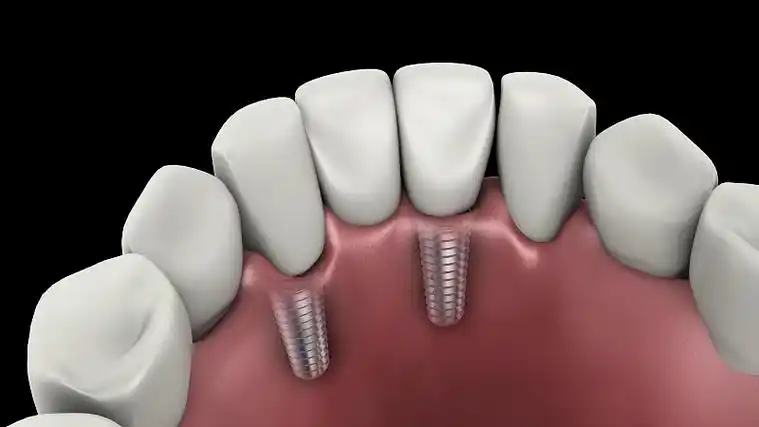
I. How Do Dental Implants Work? Why Are They Called “The Third Set of Teeth for Humans”?
The core of how dental implants function lies in a biological miracle known as osseointegration.
1. What Is Osseointegration?
In the 1950s, Swedish professor Brånemark discovered that titanium metal has an extremely high level of biocompatibility with human tissues. When a titanium-made artificial tooth root (implant) is placed into the alveolar bone, bone cells actively grow and attach to the surface of the implant, firmly securing it in place.
2. A Structure That Mimics Natural Teeth
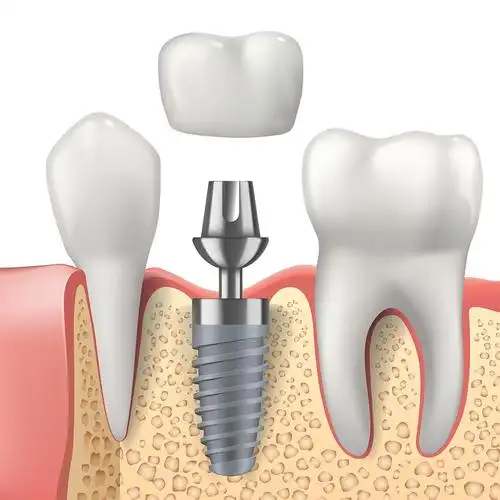
The structure of dental implants closely resembles that of natural teeth:
- Artificial implant: This acts as the “tooth root,” embedded in the bone to provide support.
- Abutment: This serves as the “foundation,” connecting the implant to the upper prosthetic tooth.
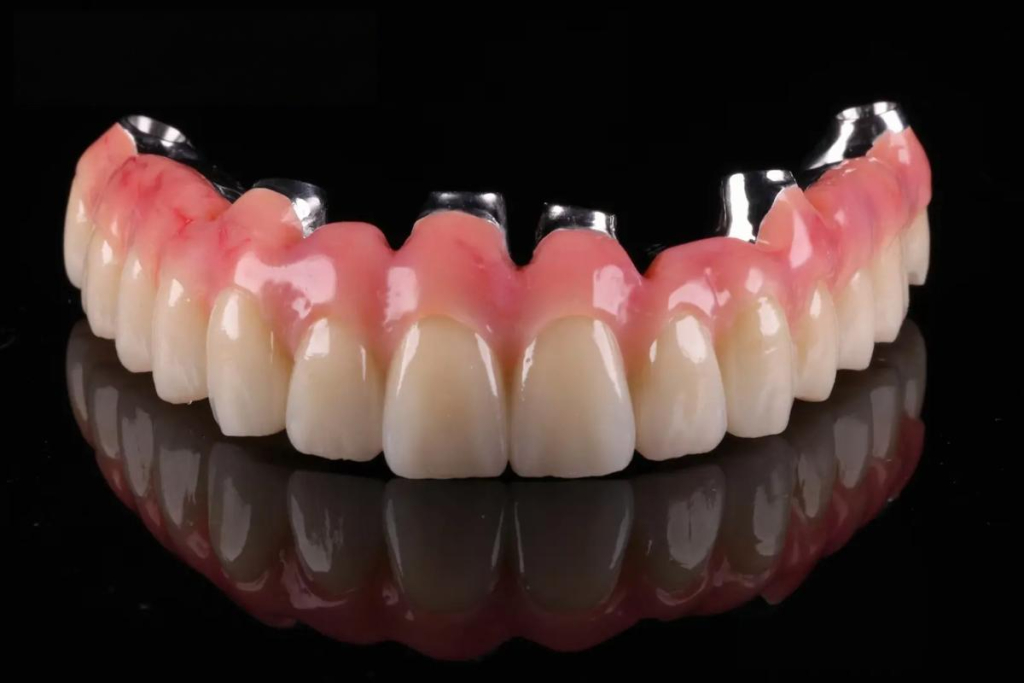
- Dental crowns: They are essentially the “main structure” of a tooth, providing both appearance and chewing function.
Because they are supported by “roots,” dental implants can directly transmit the force of chewing to the bone, which is why the chewing experience with them is much more realistic than that with removable dentures.
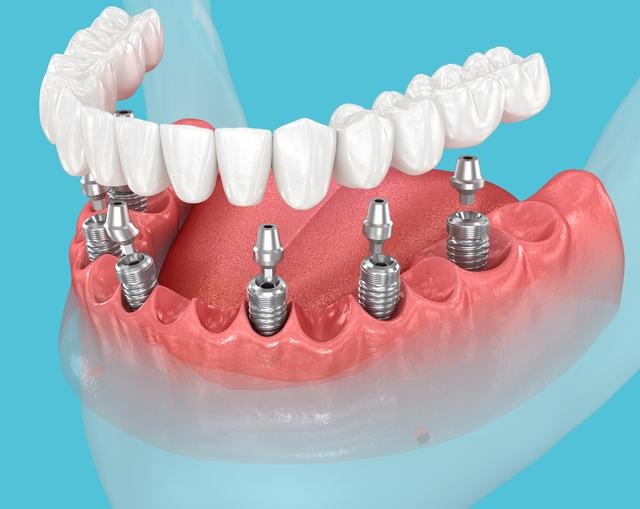
II. Detailed steps of the dental implant process: 5 stages from assessment to completion
Many people think that getting dental implants is simply a matter of “drilling a hole and inserting something,” but in reality, the standard procedure is a precise medical process that usually takes 3 to 6 months (or longer if bone grafting is required).
Stage 1: Precise pre-operative assessment and planning
The doctor will use 3D computer tomography (CT) scans to examine the height, width of your bones, and the location of your nerve ducts.
- Oral examination: To ensure there is no periodontal disease or severe tooth decay.
- Overall health assessment: Patients with diabetes or high blood pressure need to have their conditions under control.
Stage 2: Bone and tissue regeneration (bone/grafting may be necessary depending on the situation)
If a tooth is missing for too long, the alveolar bone will atrophy, just like it’s impossible to build a large building on unstable foundations.
- Bone graft surgery: Bone powder is inserted to promote bone growth.
- Waiting period: Bone healing usually takes 3–6 months.
Stage 3: Implant placement (first-stage surgery)
Under local anesthesia, the doctor inserts the implant in the predetermined location.
- Minimally invasive dentistry: If the bone condition is good, minimally invasive techniques can be used, resulting in very small incisions and allowing normal activities on the same day.
- Traditional flap surgery: The gums are incised depending on the situation to ensure precise implant placement.
Stage 4: Second-stage surgery and impression taking
After bone integration is complete (about 3 months for the lower jaw and 4–6 months for the upper jaw), the doctor will attach the abutment tooth and perform a digital intraoral scan or traditional impression taking.
Stage 5: Crown installation and adjustment
The custom-made all-ceramic crown is placed, and the bite is adjusted. At this point, your new teeth are officially “complete”!
III. Is dental implantation a good option? A detailed comparison of advantages and disadvantages
When faced with options like dental implants, dental bridges, or removable dentures, is dental implantation really the best choice? We can analyze this from the following aspects:
1. Advantages of dental implants
- No damage to adjacent teeth: Dental bridges require grinding down two healthy adjacent teeth, while dental implants replace only the missing tooth, preserving the healthy ones.
- Strong chewing ability: They can restore 80%-90% or more of your chewing strength, so eating ribs or nuts is no longer a problem.
- Prevents bone loss: The implant stimulates bone growth, helping to prevent facial sagging.
- Long lifespan: With proper care, they can last for 20 years or even a lifetime.
2. Disadvantages of dental implants
- Higher cost: The initial investment is greater than that for dental bridges.
- Surgery is required: People who fear going to the dentist may experience psychological stress.
- Longer treatment period: Patience is needed as the bone must heal.
IV. Who is not suitable for dental implants?
Not everyone is suitable for dental implants. The following groups should undergo careful evaluation by a doctor:
- Minors: Their bones have not yet fully developed.
- Severe smokers: Nicotine can affect wound healing and the success rate of osseointegration.
- People with severe osteoporosis, especially those taking certain bisphosphonate medications, may be at risk of bone necrosis.
- Those with uncontrolled blood sugar or blood pressure.
V. Professional Appointment Services: Find the right dental implant specialist through BeautsGO
Dental implants are a treatment that “rely heavily on the doctor’s skills.” The same implant can have vastly different success rates depending on the doctor performing the procedure. If you plan to get dental implants in Hong Kong, Shenzhen, or even South Korea, using the BeautsGO platform can help you find the best match.
Why choose BeautsGO?
- Transparency and comparison: Clearly display the dental implant procedures and the brands of implants used by each clinic (such as Straumann, Osstem, etc.).
- Digital diagnostic support: You can upload your CT scans through BeautsGO and receive preliminary online consultations from multiple renowned doctors.
- Real patient reviews: See what others have experienced after getting dental implants at that clinic, including long-term feedback.
- International appointment services: Provide a one-stop solution that includes translation, airport pick-up, and post-operative care.
3 steps to book through BeautsGO:
- Search for options: Look up “dental implants” on the BeautsGO website to find high-quality clinics in your area or target city.
- Consultation and quotes: Ask your consultant about details such as “bone graft costs” or “all-ceramic crown upgrades” to ensure your budget is clear and transparent.
- Confirm your appointment: Get exclusive discounts on the platform and secure a consultation with a chief physician.
Timely repairs are the best investment you can make for your health.
Missing teeth can have a domino effect—if left untreated, they can lead to more oral problems. Once you understand the principles and process of dental implants, you’ll realize that it’s not just about getting a fake tooth; it’s about investing in long-term oral health.