
Having straight teeth is not only about appearance but also relates to oral health and digestive function. However, when faced with treatment plans that often take one or two years, many people have numerous questions: Are b races effective? What is the best age to start orthodontic treatment? Even in adulthood, people may wonder if it’s still possible to get braces at 30 or 40.
This article will provide you with an in-depth analysis of everything related to orthodontics, helping you avoid detours on your path to better looks.
1. Are braces effective? Unraveling the scientific principles behind “smile lines”
Many people worry that wearing braces might not be effective, or that their teeth might revert to their original position after removal. In fact, orthodontics is a precise biological process.
1. How do teeth move?
Teeth are not fixed in the bone but are connected to the alveolar bone through “periodontal ligaments.” When braces apply continuous, gentle force to the teeth, the bone on the compressed side is reabsorbed, while new bone grows on the other side. This is how braces can move misaligned teeth into their correct positions.
2. The effectiveness of different types of braces:
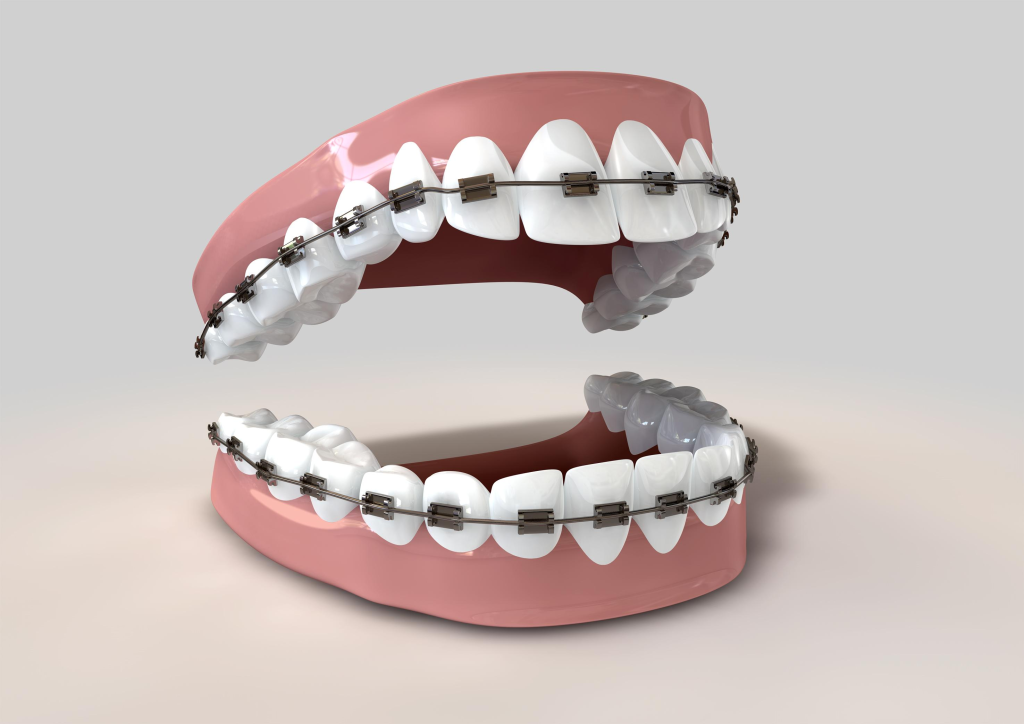
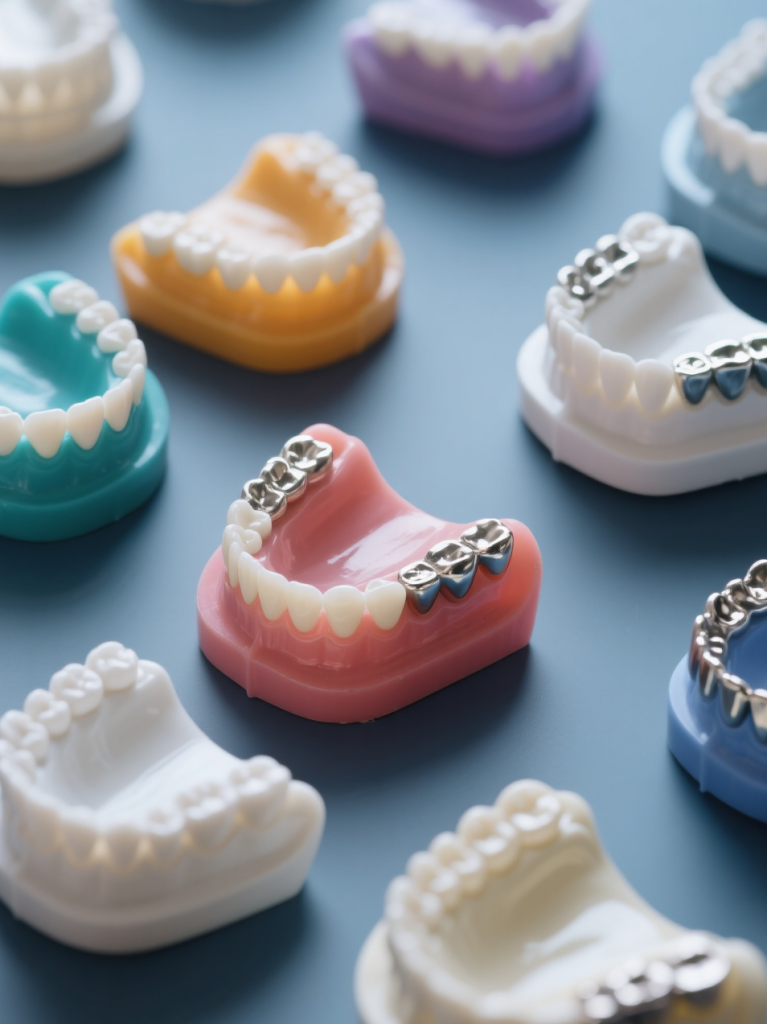
- Traditional metal/ceramic braces: Although they may not be the most aesthetically pleasing option, they provide the most direct and precise force when dealing with complex or significant tooth movements, such as severe crowding or deep overbites.
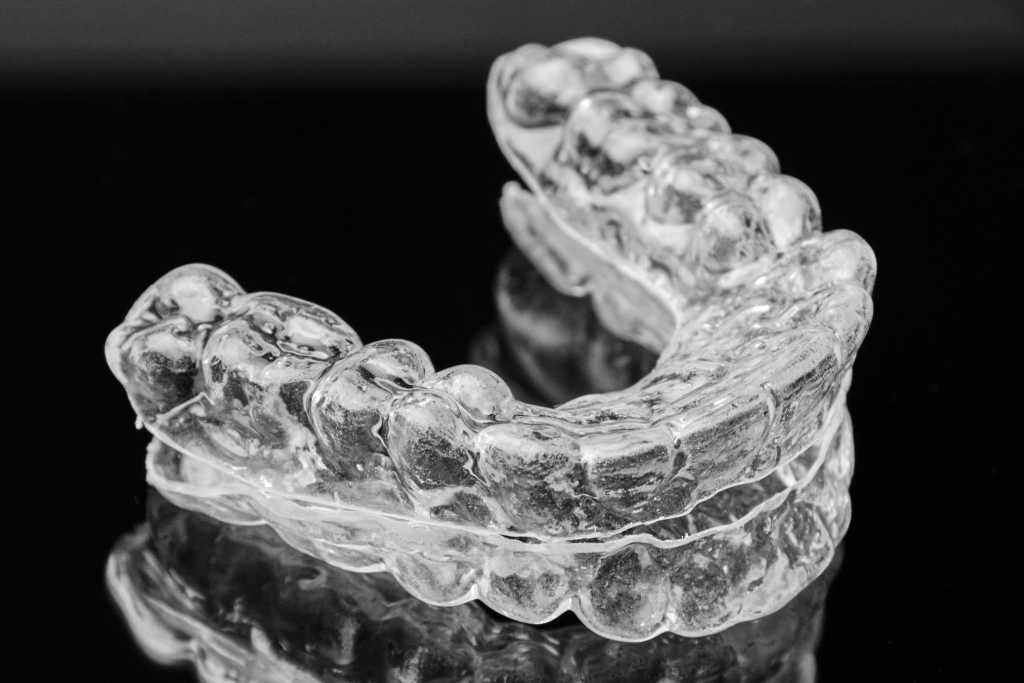
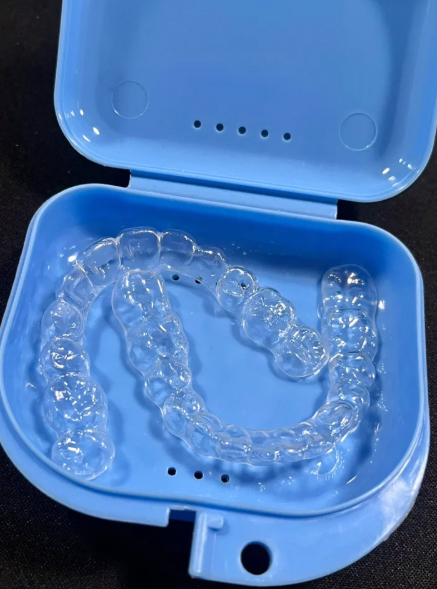
- Hidden braces (such as Invisalign): Using digital 3D simulations, these braces are ideal for patients who are concerned about their appearance and have high self-discipline. They are particularly effective for mild to moderate cases of tooth alignment issues.
- Palatal braces: They offer the highest level of discretion and are suitable for people with special social needs, but they require high technical expertise.
Conclusion: As long as the treatment plan is well-designed, orthodontic devices are definitely “useful” – they can effectively improve bite alignment, address large gaps between teeth, and relieve crowding.
II. The best age for orthodontics: What if you miss the optimal period?
In terms of the right time for orthodontic treatment, the dental community generally divides it into three stages:
1. Early intervention period (6–12 years old)
This is the stage when deciduous teeth are being replaced by permanent ones. If a child has severe underbites or functional issues, functional orthodontic treatment can help guide jaw development and reduce the need for surgery in adulthood.
2. Optimal orthodontic period (12–18 years old)
This is widely recognized as the best age for orthodontics. By this time, most permanent teeth have erupted, but the bones are still developing, allowing for faster tooth movement and better results.
3. Adult orthodontic period (18 years old and above)
The proportion of adult patients is increasing year by year. As long as your periodontal health is good, age is not a limitation.
Can I get orthodontic treatment at 30 or 40 years old?
This is a common concern for many people: “I’m in my 30s—can my teeth still move easily?” or “Will orthodontics at 40 cause my teeth to loosen?”
1. Age is not an issue; periodontal health is what matters.
Scientific research has proven that tooth movement is a natural process that can occur throughout life. So, can you get orthodontic treatment at 30 or 40? The answer is yes. As long as your periodontal tissues (gums and alveolar bone) are not severely inflamed, orthodontics can achieve satisfactory results.
2. Benefits of orthodontics for adults:
- High compliance: Adults are more motivated to improve their appearance and will follow cleaning and wearing instructions more strictly, especially with invisible braces.
- Clear goals: Doctors can design treatment plans that better reflect the aesthetics of mature facial features, such as nasolabial folds or protruding lips.
3. Things to consider:
Adults may move their teeth at a rate 20%-30% slower than teenagers, and if they already have periodontal disease, the inflammation must be treated before starting orthodontic treatment.
IV. How long does it take to wear braces? Factors affecting the duration
This varies from person to person. Generally, a complete treatment takes about 1.5 to 2.5 years.
Factors affecting the duration:
- Complexity: Simple alignment may take only 1 year, but procedures involving tooth extraction, bite adjustment, or skeletal issues may require more than 2 years.
- Type of braces: Traditional braces usually work slightly faster than invisible braces because the dentist can control the force more directly.
- Individual metabolism: Everyone’s bone metabolism rate is different, so the speed of tooth movement also varies.
- Compliance: If invisible braces are not worn for at least 22 hours a day or if the brackets frequently fall off, the treatment duration will be significantly extended.
V. Prevention and maintenance: The “second half” after removing braces
Many people think that removing the braces means the process is over, but in fact, the “retainer” is what really matters.
- Why is a retainer needed? The ligaments around the teeth have a “memory”; without a retainer, the teeth are likely to move back to their original positions.
- How long does it need to be worn? It is generally recommended to wear it throughout the day for the first year, and then switch to wearing it at night. Many doctors suggest wearing it at night for life to counter the natural movement of teeth that occurs with age.
It’s never too late to start.
Orthodontic treatment is one of the best investments you can make for yourself. It not only gives you straight teeth but also the confidence to smile proudly. No matter what age you are, taking action now will bring you your ideal smile soon enough.