

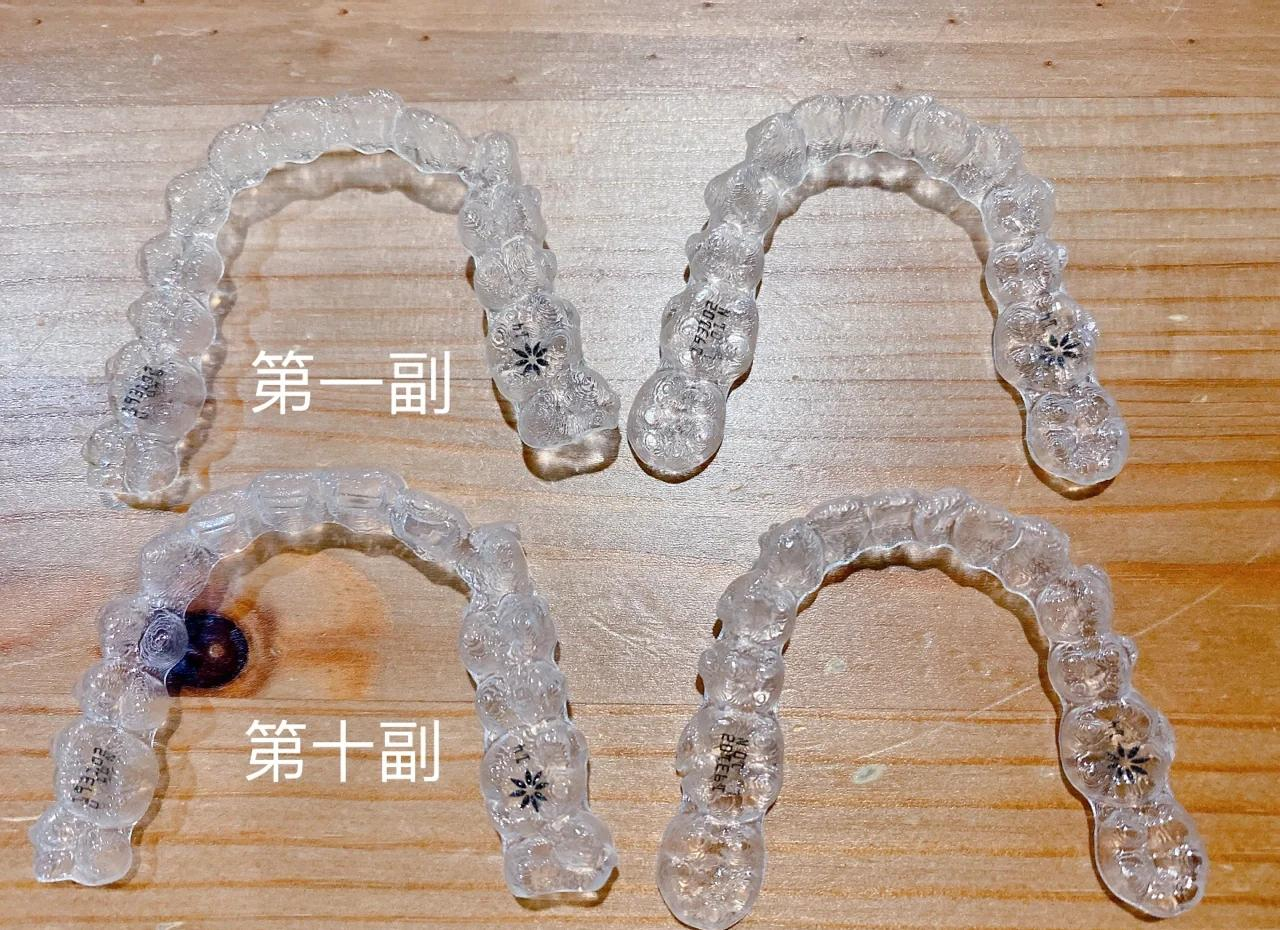
For many people looking to straighten their teeth, the first thing that strikes them when considering Invisalign is not the length of the treatment, but the cost. In Taiwan and Hong Kong, the cost of Invisalign treatments typically ranges from 160,000 to 350,000 TWD/HKD, which is significantly higher than traditional metal braces.
So why are these thin plastic aligners so expensive? It’s not just about “brand premium”; there are also high-tech developments, patent monopolies, and the professional expertise of doctors behind the price. Here are five key reasons why Invisalign is so costly.
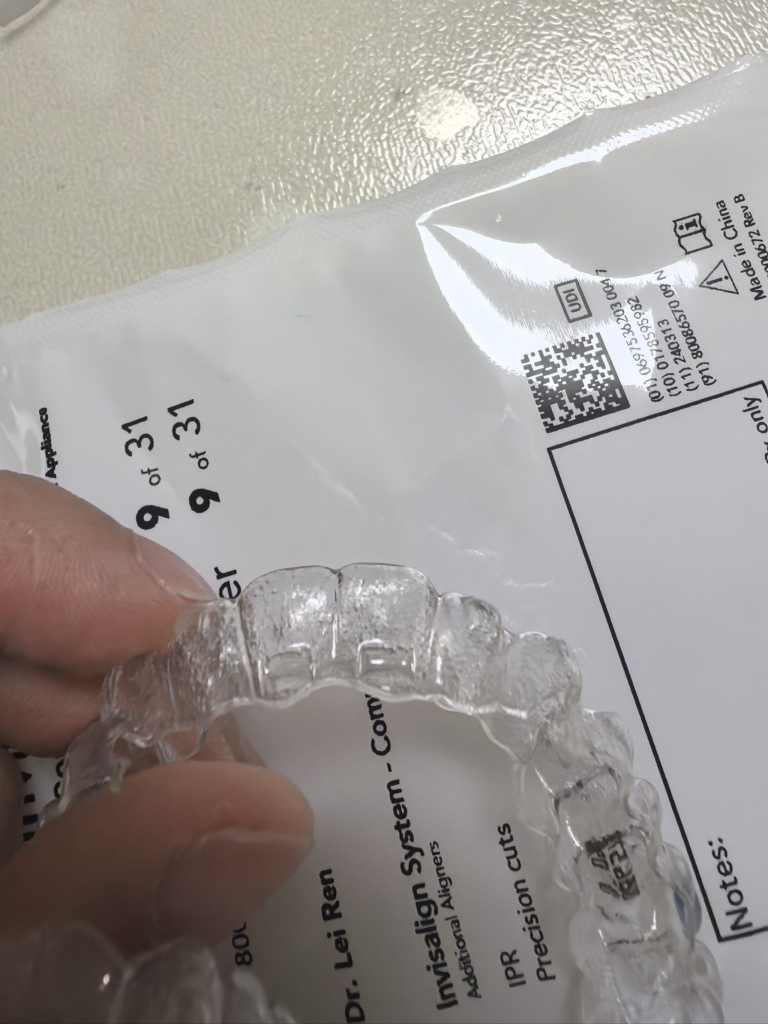
1. Monopolistic Patents and a Vast Database (The Data Moat)
Align Technology, Invisalign’s parent company, is a pioneer in invisible orthodontics. What makes their products expensive is not the plastic itself, but the “big data” behind it.
- Global Patent Barrier: Invisalign holds hundreds of patents covering the mechanics of tooth movement, as well as the materials and manufacturing processes of its aligners. This makes it extremely difficult for competitors to replicate its results in a short time.
- ClinCheck Software: This is the core component of Invisalign. It contains a database with data from over 14 million cases worldwide. When a dentist inputs your dental scan, the algorithm can predict the path of your teeth’ movement more accurately than other brands. What you’re buying is not just the aligners themselves, but this advanced algorithm that can accurately forecast future results.
2. Exclusive SmartTrack Material
Many people assume that invisible aligners are just ordinary transparent plastic, but that’s not the case.
- Patented Material: Invisalign uses its own proprietary SmartTrack material. This material has unique elastic properties that allow it to exert a constant, gentle force throughout the treatment process, rather than the sudden, intense pressure of traditional plastic aligners.
- Comfort and efficiency: This material allows for a tighter fit around the teeth, making the movement more efficient and reducing discomfort. Developing this medical-grade polymer material involved significant research and development costs, which are reflected in the final price.
3. 100% highly customized production costs
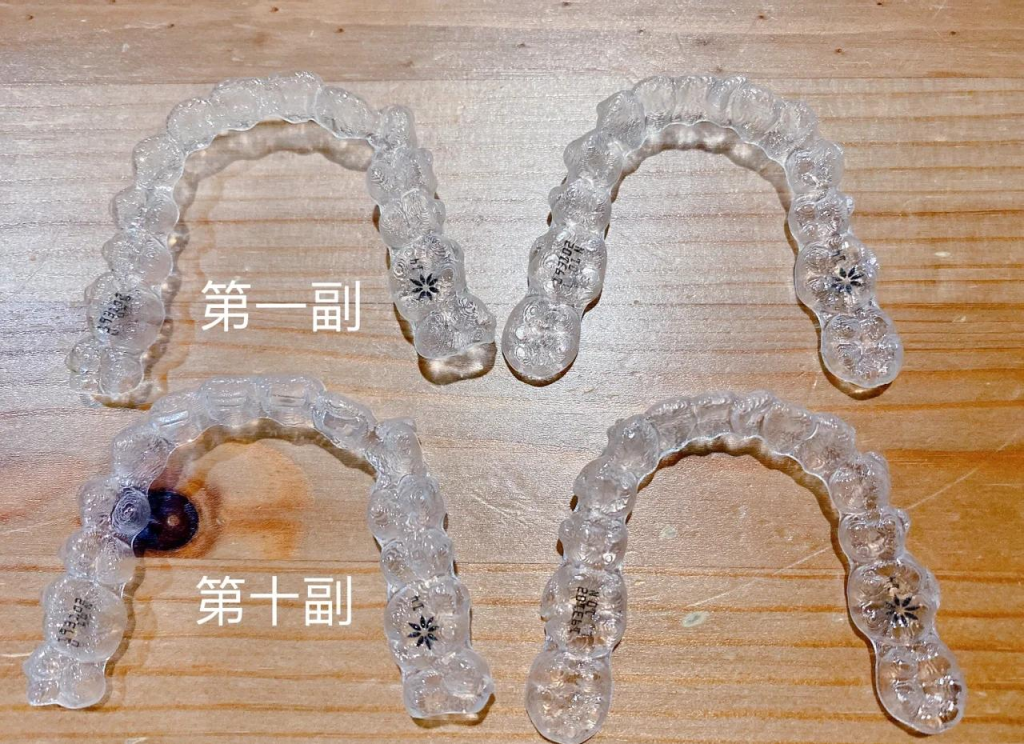
Unlike traditional metal braces that can be produced in large quantities, each set of Invisalign aligners is “unique”.
- 3D printing technology: If your treatment requires 50 sets of aligners, the factory must individually 3D print 50 different models and then manufacture 50 sets of aligners.
- Non-recyclability: If your teeth do not move as expected, all the unused aligners must be discarded, and the process must start over—new scans, new designs, new manufacturing. This “error tolerance cost” is also included in the total price.
4. The doctor’s time and professional expertise
This is one of the most misconceptions among consumers: Invisalign is just a tool; the actual practitioner is the doctor.
A large portion of the cost is actually paid for the doctor’s professional services:
- Treatment plan formulation: The tooth movement paths generated by computer software often do not conform to human ergonomics. Doctors must spend considerable time adjusting each tooth’s angle, movement sequence, and force application points manually.
- Risk Management: Experienced doctors can predict which teeth movements will be more difficult and plan additional support measures in advance.
- Invisible Braces Certification: Doctors must pay high fees to the manufacturer for training and certification, and the “material production costs” charged by the manufacturer to clinics are already very substantial (about 30%-40% of the total cost).
5. Brand Marketing and Global Operating Costs
As a market leader, Invisalign invests significantly in marketing. From endorsements by Hollywood stars to promotions on social media, Invisalign has successfully transformed “orthodontics” into a “fashionable lifestyle”.
Key Note: When you choose Invisalign, you are also paying for its global warranty. If your braces get lost or need adjustment while you are studying abroad or immigrating, certified Invisalign doctors around the world can handle it – a level of reliability that smaller brands cannot offer.
Conclusion: Is it worth the price?
The price structure of Invisalign can be broken down as follows:
$$\text{Total Cost} = \text{High Manufacturer Labor Fees} + \text>Patented Material Costs} + \text>Doctor’s Professional Services} + \text>Brand Premium$$
If what you are looking for is:
- the highest level of aesthetic results (where the braces are almost invisible).
- The accuracy of big data, especially in complex cases.
- Quality of life (unrestricted access to food, easy cleanliness).
- Top-notch medical planning by doctors.
Therefore, the high price of Invisalign is indeed justified. What it sells is not just teeth correction, but a beauty solution that “does not affect social interactions and daily life.”