
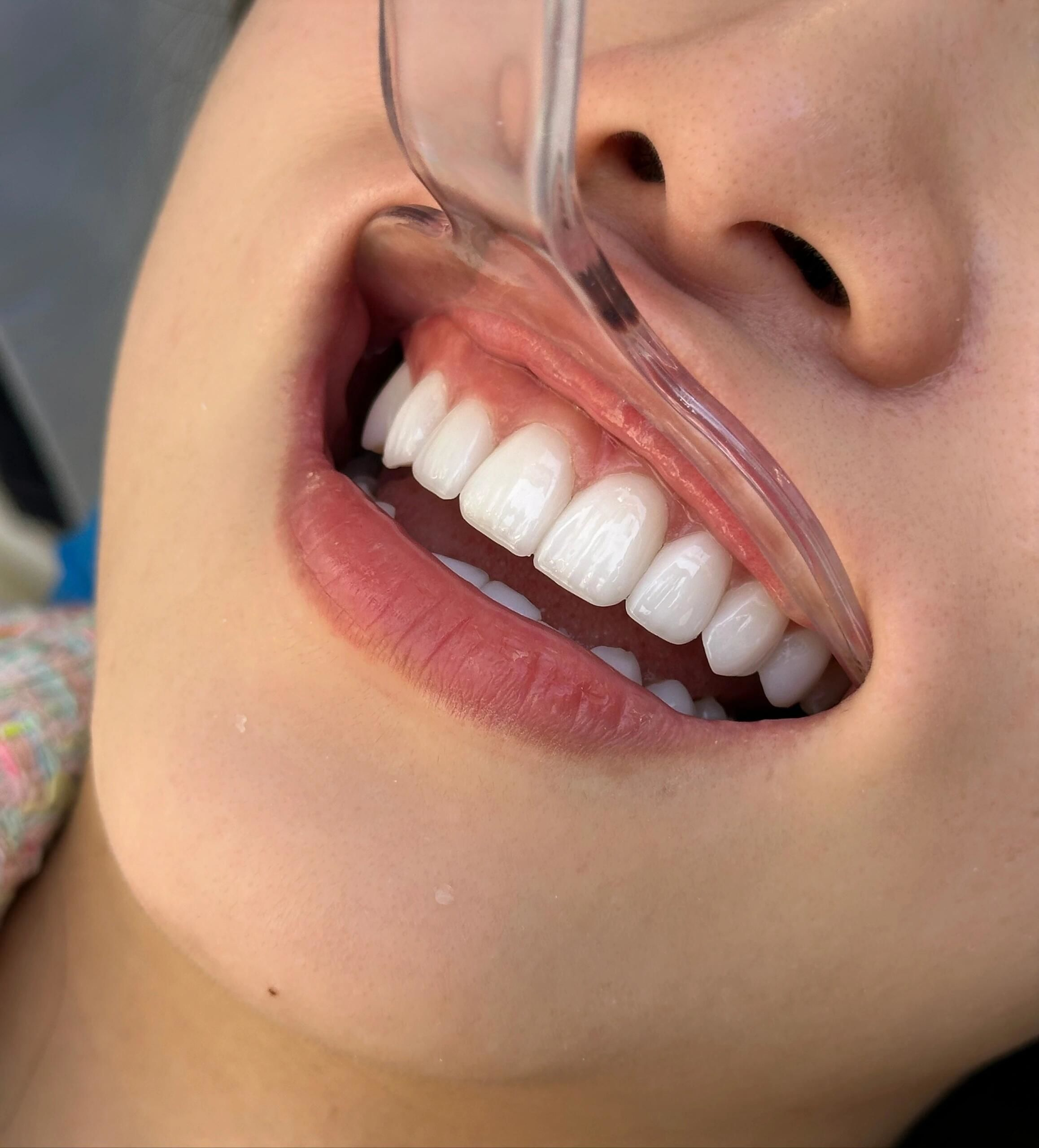
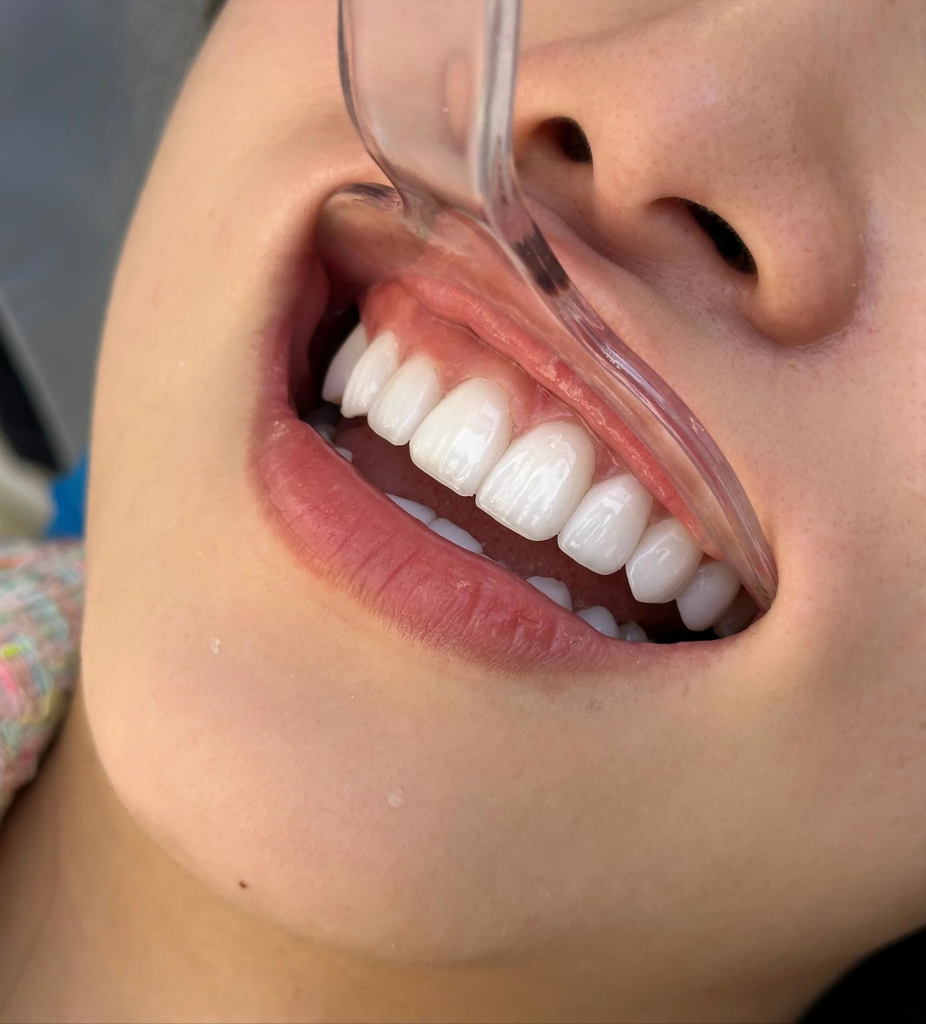
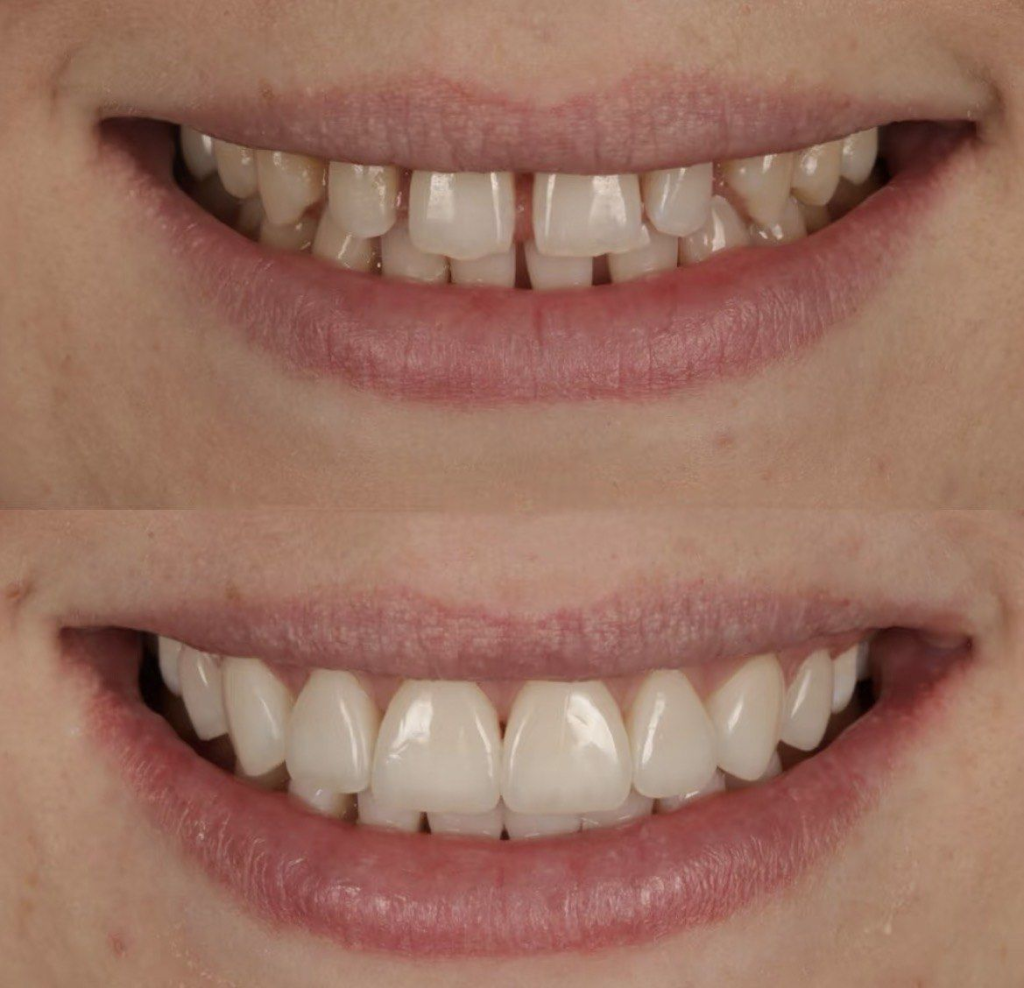
On the path to achieving a perfect smile, in addition to orthodontics, dental veneers have become a powerful tool for modern people to improve the shape and color of their teeth. Whether you want to cover stained teeth from tetracycline, repair chipped front teeth, or create a captivating smile curve, this technology can bring remarkable changes in a very short time.
However, many people worry before proceeding: How long do dental veneers last? Will they fall off? What are the potential side effects? This article will provide an in-depth analysis of this globally popular cosmetic treatment.
1. What are dental veneers? (Technical principles and types)
Simply put, dental veneers are like custom-made “nail wraps” for your teeth. They consist of a very thin layer of material that is securely bonded to the front surface of the tooth using high-strength adhesives.
1. The two main materials used for dental veneers:
- Porcelain veneers: Made from high-quality ceramic, these veneers closely mimic the color and translucency of natural teeth. They are highly resistant to staining and represent the current premium option.
- Composite veneers: These are shaped and hardened directly on the tooth by a dentist in the clinic. They are more affordable, but their color may appear more fixed and they can absorb pigments from foods like coffee and tea over time.
2. Why choose dental veneers?
- Permanent whitening: Dental veneers can effectively address severe discoloration that cannot be removed by regular whitening treatments.
- Shaping and correction: Improves small teeth, tooth gaps, or irregular tooth shapes.
- Closing gaps: Quickly fills spaces between teeth without orthodontic treatment.
II. How long do veneers last? (Durability and maintenance)
This is what patients care most about: How long do veneers last? The answer depends on the material and your usage habits.
- Full-ceramic veneers: Typically last 10 to 15 years; with proper care, they can even last up to 20 years.
- Resin veneers: Have a shorter lifespan, usually 3 to 5 years, and may discolor or show edge wear over time.
How to extend the life of veneers?
- Avoid hard impacts: Do not use veneers to bite on sugarcane, bones, nut shells, or open bottle caps.
- Proper oral hygiene: Although veneers themselves don’t decay, the natural teeth beneath them can. If gum recession or tooth decay occurs, the veneers will need to be removed and replaced.
- Wearing night guards: If you have the habit of grinding your teeth at night, make sure to use protective guards.
III. How much do dental veneers cost? (Latest 2026 prices)
How much do dental veneers cost? The price varies depending on the location, the dentist’s expertise, and the quality of the materials used.
| Region | All-ceramic veneers (reference price per tooth) | Notes |
| Hong Kong | HK$ 8,000 – 15,000 | This price includes design fees and the services of professional technicians. |
| Taiwan | NT$ 20,000 – 35,000 | There are slight price differences among the North, South, and Central clinics. |
| Korea | 600,000 to 1,200,000 Korean won | The digital equipment is advanced, offering excellent value for money. |
| Shenzhen | RMB 2,500 – 5,000 | Common in chain dental clinics, suitable for budget-conscious consumers. |
Note: Usually, “zero-grinding” or “ultra-thin biomimetic” veneers are more expensive because they require higher technical skills from both dentists and technicians.
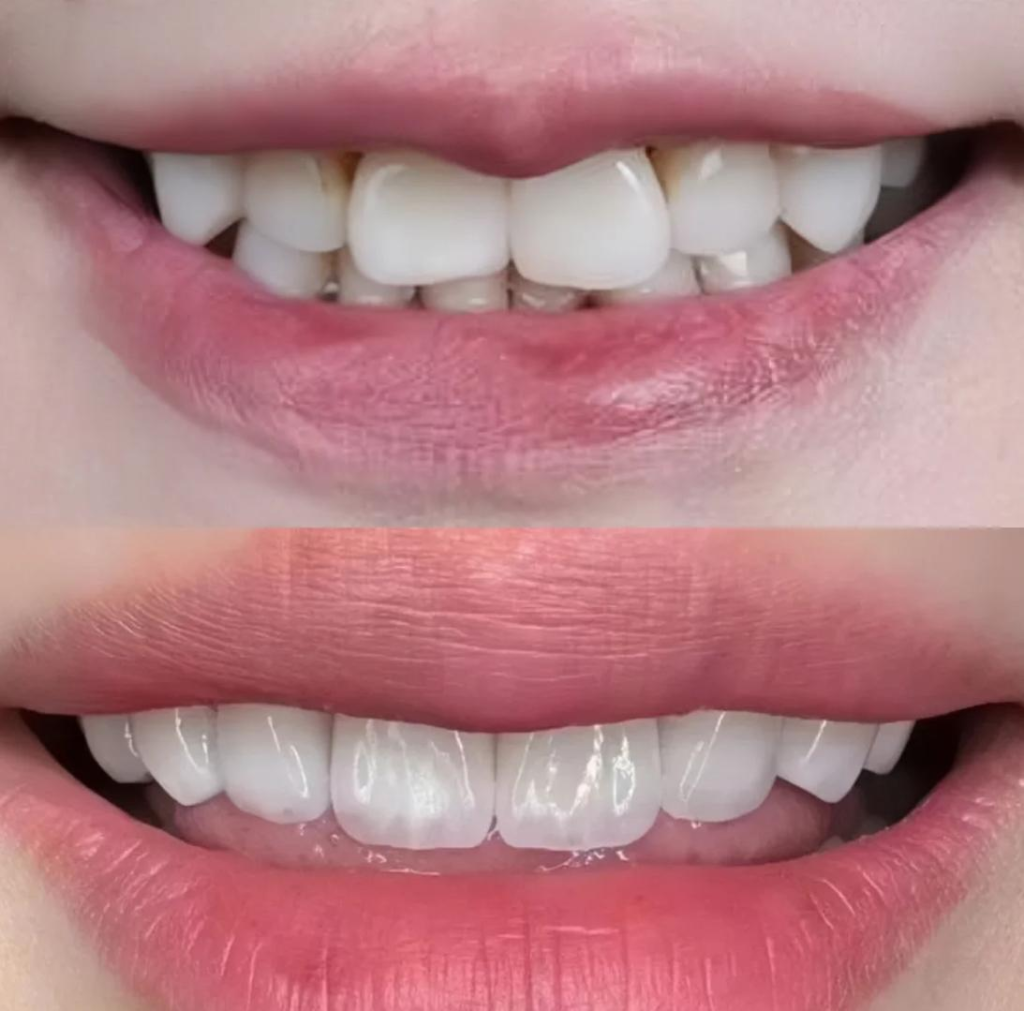
IV. Will dental veneers fall off? Side effects and risk assessment
1. Will dental veneers fall off?
With modern bonding techniques, the chances of dental veneers falling off are very low. Unless one of the following situations occurs:
- Inadequate bonding surface: The tooth itself has too much damage.
- Severe impact: External trauma or long-term misalignment.
- Medical errors: The bonding process was affected by moisture or improper handling.
2. Potential side effects:
- Tooth sensitivity: Traditional veneers require removing about 0.3-0.5 mm of enamel. In the initial days after the procedure, the teeth may be more sensitive to hot and cold, but this usually subsides within a few weeks.
- Gum inflammation: If the edges of the veneers are not designed properly, bacteria can accumulate, causing gum swelling.
- Irreversibility: Once the enamel is removed, the tooth will need to have veneers or crowns placed for protection for the rest of its life.
V. Hospital Recommendations for Veneers: How to Choose the Right Institution?
When choosing a hospital, don’t just look at the exterior; consider these three factors as well:
- Examples of doctors’ work: Check their before-and-after photos to determine their aesthetic style—whether it’s a natural, translucent look or the Hollywood-white perfection favored by celebrities.
- In-house laboratory: Hospitals with their own laboratories can more accurately adjust the color and reduce waiting times.
- Digital technology: Whether they use 3D oral scans and DSD (Digital Smile Design) simulations.
Recommended institutions:
- Korean Minish Dental Clinic: Specializes in ultra-thin veneer technology, emphasizing no tooth grinding for a highly natural result.
- Korean 2D Dental Studio: Experts in aesthetic procedures from the Gangnam area, known for precise smile curve design.
- Shenzhen Malt/Xima Dental: Ideal for Hong Kong residents looking for great value and convenient access.
Veneers are a beautiful investment in yourself. With the right doctor, the right materials, and a professional appointment through BeautsGO, you can achieve a star-like, lasting, and perfect smile.