

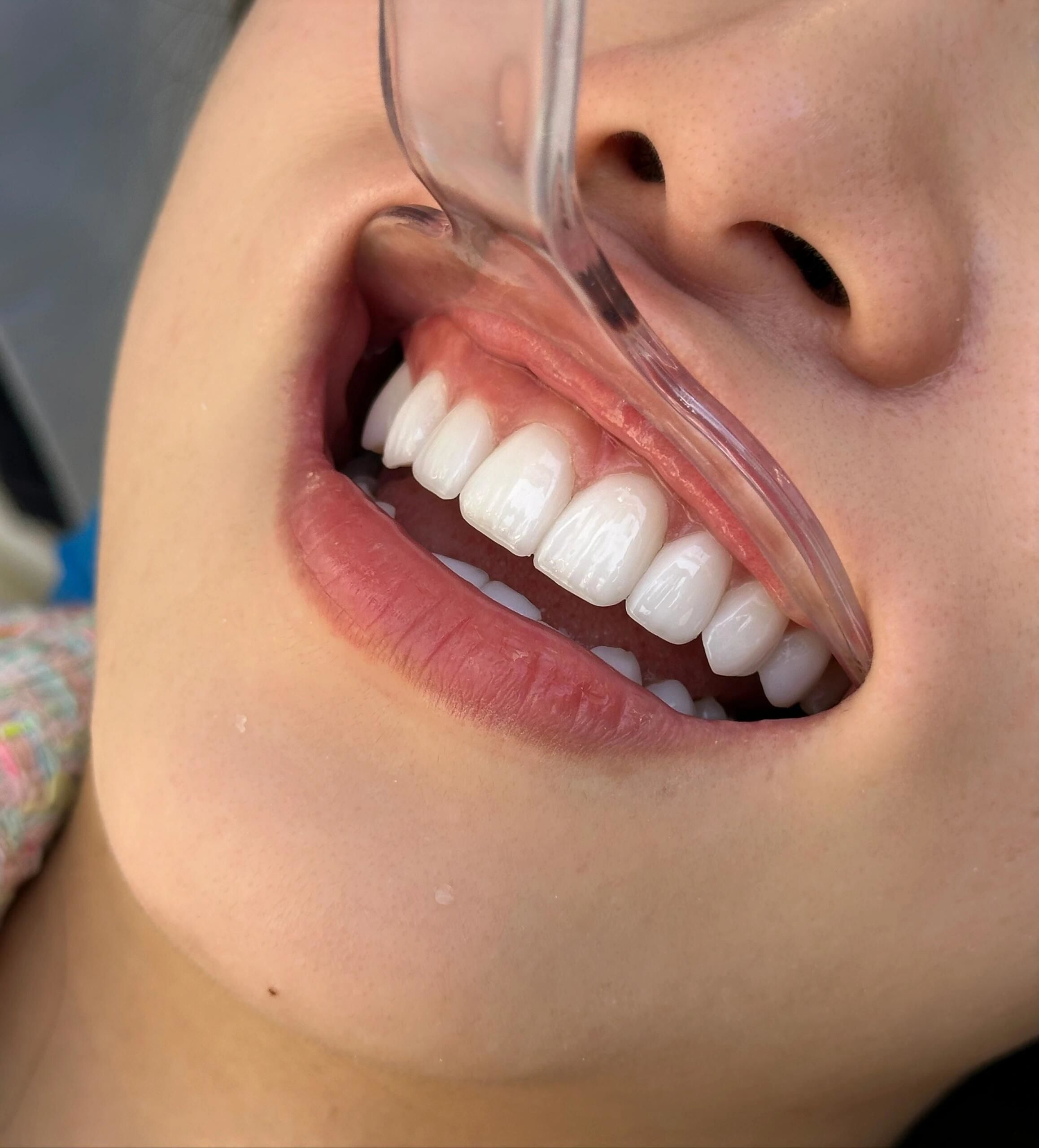
If you want a star-like, perfect smile, ceramic veneers have become one of the most popular options for teeth whitening in recent years. However, when you search for “ceramic veneers” online, you’ll find a huge range of prices—ranging from several thousand to tens of thousands of dollars per veneer. This raises the question: What is a reasonable price for ceramic veneers? This article provides you with the latest market prices in 2026, comparisons of different materials, key factors affecting prices, and practical tips for choosing a clinic, helping you make the best decision.
I. What are Ceramic Veneers? A quick overview of the basics
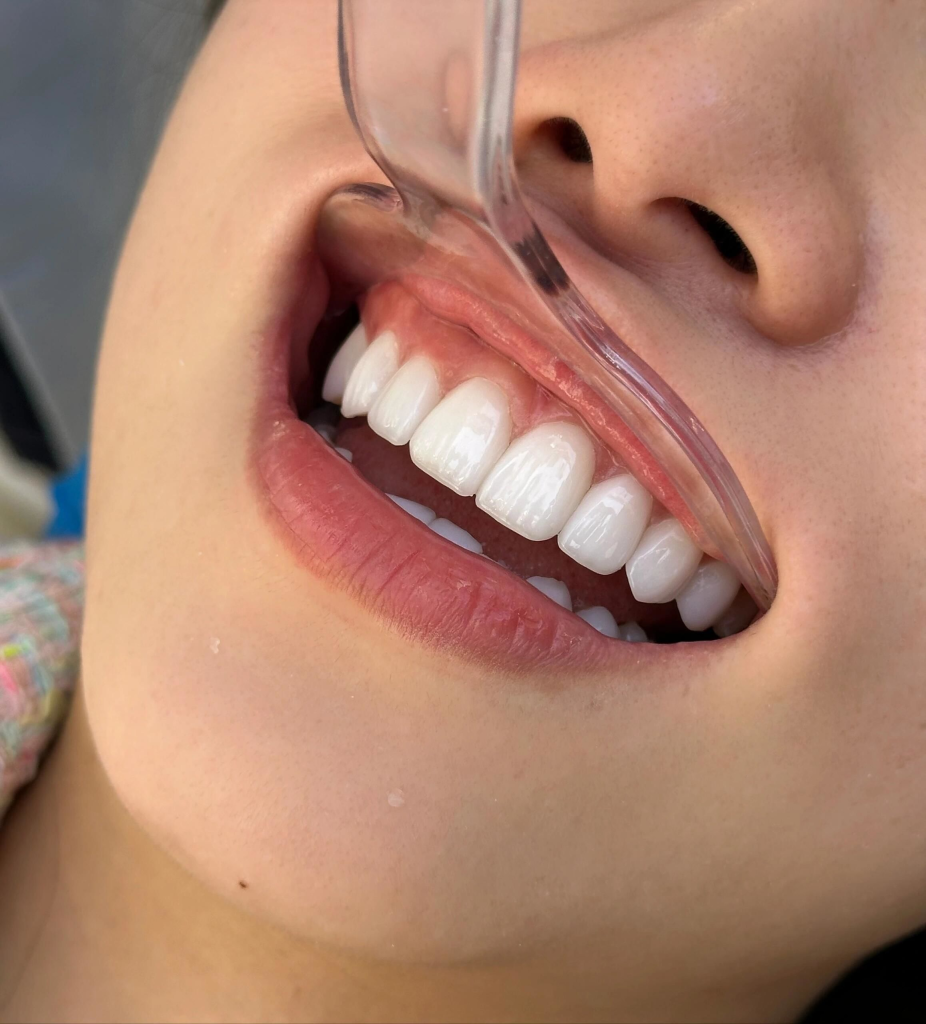
Ceramic veneers, also known as porcelain veneers or ceramic whitening veneers, are extremely thin ceramic shells (about 0.3 to 0.7 millimeters thick) that are professionally bonded to the surface of teeth to improve their color, shape, and alignment.
Compared to traditional crowns, ceramic veneers require less removal of natural tooth enamel, causing less damage to the teeth. They also offer a very natural look and a sense of translucency, making them the preferred choice for high-end dental aesthetics.
Ceramic veneers are suitable for the following situations:
- Teeth discoloration (such as from tetracycline, fluoride, or dead pulp)
- Wide gaps between teeth or other spacing issues
- Slightly misaligned or irregularly shaped teeth
- Worn teeth or surface defects
- Want permanent teeth whitening (instead of repeated cold light treatments)?
II. How much do ceramic veneers cost? Market prices in 2026
The price of ceramic veneers varies depending on factors such as region, material, craftsmanship, and the dentist’s skills. Here are approximate market rates for 2026 (per tooth):
Taiwan region
Ceramic veneering technology in Taiwan is well-developed, with prices ranging from NT$15,000 to NT$35,000 per tooth. In prestigious dental clinics in areas like Xiangyang District, Taipei, the cost may be higher, ranging from NT$25,000 to NT$45,000 per tooth. For a full set of 8 to 10 veneers, the total cost is typically between NT$150,000 and NT$450,000.
Hong Kong region
Dental expenses in Hong Kong are generally high; ceramic veneers cost around HK$6,000 to HK$18,000 per tooth. High-end clinics in Central and Tsim Sha Tsui may charge HK$15,000 to HK$25,000 per tooth. The total cost for a full set of veneers is approximately HK$80,000 to HK$250,000.
First-tier cities in mainland China
In first-tier cities like Beijing, Shanghai, Guangzhou, and Shenzhen, ceramic veneers cost around RMB3,000 to RMB12,000 per tooth. Well-known dental chains or specialized clinics may charge RMB5,000 to RMB15,000 per tooth. For a full set of veneers, the total cost is roughly RMB50,000 to RMB150,000.
Korea
South Korea is renowned for its cost-effective dental services. Ceramic veneers generally range from 500,000 to 1,500,000 Korean won per piece (approximately 2,800 to 8,500 Hong Kong dollars), while high-end clinics charge between 1,000,000 and 2,000,000 Korean won per piece. Many tourists travel specifically to South Korea for dental cosmetic procedures due to the excellent value for money.
III. Key factors affecting the price of ceramic veneers
1. Material quality and brand
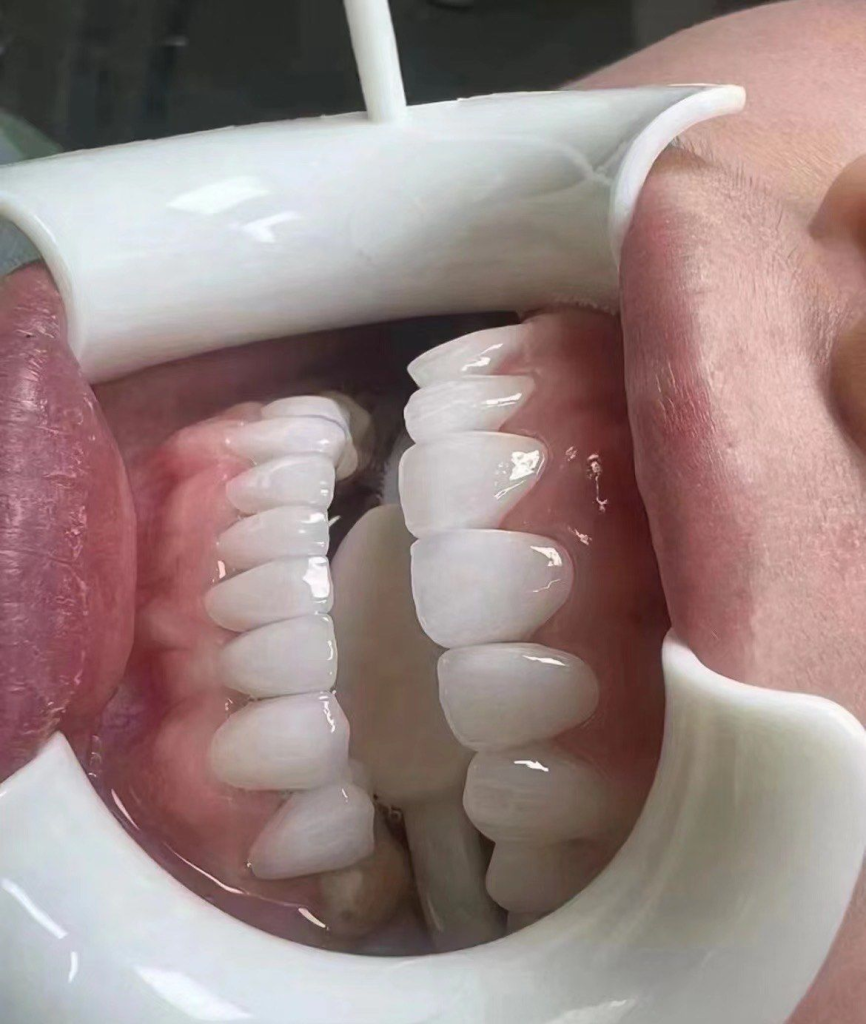
Ceramic veneers are not made of a single material; different grades vary significantly in quality:
- Zirconia veneers: These have the highest hardness and strong color masking properties, making them ideal for individuals with severe discoloration. However, they are relatively more expensive.
- Emax porcelain fused to metal veneers (IPS e.max): They offer excellent light transmittance and a natural appearance, making them one of the most popular materials today.
- Porcelain fused to metal veneers: These consist of an inner metal layer covered with ceramic, providing good color masking but slightly lower light transmittance. Their prices are moderate.
- Glass-ceramic veneers: For example, those produced using Cerec computer-aided technology feature precise edges and can be completed in a single visit.
2. Manufacturing process
Hand-crafted by skilled dentists: These veneers are individually fabrica
ted by experienced dentists, resulting in colors and textures that closely resemble natural teeth. However, this method is more costly.
3. Dentist Experience and Skills
Ceramic veneers require a high level of technical expertise from dentists — everything from controlling the amount of tooth preparation, making temporary veneers, matching colors, to finally applying and fixing them all directly affects the lifespan and appearance of the veneers. Dentists with extensive experience often charge more, but their success rates and results are usually more reliable.
4. Clinic Equipment and Environment
Clinics equipped with digital intraoral scanners (replacing traditional impressions), high-power microscope facilities, and separate dust-free treatment rooms can provide more precise treatments and a more comfortable experience, and these advantages are reflected in the prices.
5. Number of Veneers
Most clinics offer discounted packages for full-mouth veneers (the teeth that are visible when smiling, usually 6 to 8 on each side of the upper and lower jaws), so the per-veneer cost is lower in this case. If only one or a few teeth need veneers, the price will be relatively higher.
IV. Comparison of Ceramic Veneers with Other Whitening Methods
Ceramic veneers are not the only option; here is a comparison of some common whitening methods:
- Cold light whitening: Costs around RMB 2,000–5,000 per session, with effects lasting about 1 to 2 years; regular follow-up treatments are required.
- At-home whitening: Costs around RMB 1,000–3,000; it needs to be used continuously for several weeks, and the results are slower to appear.
- Resin veneers: Cost approximately RMB 500–2,000 per piece. However, they tend to stain easily, wear out quickly, and have a relatively short lifespan (around 3 to 5 years).
- Ceramic veneers: Last for about 10 to 20 years, are resistant to staining and wear, and maintain a natural, stable color. They represent the best long-term investment option.
V. Ceramic Veneer Application Process and Precautions
Application process:
- Initial consultation: The dentist will examine your oral condition, discuss your desired results, and take photos and X-rays of your mouth.
- Digital Smile Design (DSD): Some clinics offer digital simulations so you can preview the final result before treatment.
- Tooth preparation: Depending on the case, 0.3 to 0.7 millimeters of enamel may be removed, followed by mold taking or oral scanning.
- Temporary veneers: While the permanent veneers are being made (about 1 to 2 weeks), temporary veneers are worn to protect your teeth.
- Fitting and adjustments: Once the permanent veneers are ready, they are fitted and checked for color, shape, and bite fit. Any necessary fine-tuning is done at this stage.
- Permanent bonding: Once you are satisfied, the veneers are permanently bonded to your teeth using specialized adhesive.
Postoperative Care Recommendations:
- Avoid biting on hard objects such as ice cubes, nut shells, or crab shells.
- People who grind their teeth at night are advised to wear night guards.
- Maintain good oral hygiene by getting regular cleanings and check-ups.
- Avoid drinking strong tea, coffee, or red wine for extended periods to preserve the color of your veneers.
VI. Frequently Asked Questions
Q1: Can ceramic veneers damage natural teeth?
Ceramic veneers require the removal of a small amount of tooth enamel, approximately 0.3 to 0.7 millimeters, and this process is irreversible. However, compared to traditional crowns, which require the removal of 30% to 50% of the tooth structure, ceramic veneers cause much less damage to the teeth. As long as the procedure is performed by an experienced dentist, there are usually no significant discomforts afterward.
Q2: How long do ceramic veneers last?
With proper use and good care, ceramic veneers can last for around 10 to 20 years, and in some cases even longer. The key is to avoid biting on hard objects, maintain oral hygiene, and have regular follow-up appointments.
Q3: Can people with sensitive teeth get ceramic veneers?
Yes, but you should inform your dentist in advance. Desensitizing toothpaste can help before the procedure, and the dentist will also take appropriate steps to reduce sensitivity during the treatment. If there are cavities or pulp inflammation, those issues need to be addressed first before considering veneers.
Q4: How much should a single ceramic veneer cost reasonably?
For example, in Taiwan, the reasonable price for a single ceramic veneer is around NT$15,000 to NT$30,000. If the price is too low, be cautious about whether the material is a resin substitute or if the technician’s skills are insufficient; if the price is too high, assess whether the clinic is charging excessively. It’s recommended to compare multiple options and choose a clinic with a proven track record and positive reviews.
Q5: Is it possible to get only one ceramic veneer?
Yes, it is possible. If only one tooth has discoloration or an abnormal shape (such as a chipped front tooth), getting a single veneer is a common practice. However, attention should be paid to color matching—dentists usually recommend getting two symmetrical veneers at once (e.g., the left and right front teeth) to ensure a natural transition in color.
VII. Conclusion: Are ceramic veneers worth getting?
Ceramic veneers represent a long-term investment that combines aesthetics and functionality. Although the initial cost is not low, compared to procedures like light-based whitening that require repeated treatments or resin veneers with a limited lifespan, ceramic veneers offer excellent value over a 10- to 20-year period.
To ensure the best results, when choosing a clinic, focus on the dentist’s experience and success rate with ceramic veneers, the quality of the clinic’s equipment, and whether a detailed digital simulation and consultation are provided before the procedure. If you’re looking for a cost-effective option, South Korean dentistry, with its advanced technology, experienced dentists, and relatively affordable prices, has become a popular destination for dental tourism in recent years.
Regardless of where you decide to get ceramic veneers, make sure to research carefully and choose the option that best suits your needs and budget. A beautiful smile is the best investment you can make for yourself.